

Quick answer: The best mouth tape uses medical-grade, hypoallergenic adhesive that stays on all night without irritating your skin. It should be latex-free, fragrance-free, and easy to remove. Mouth taping encourages nasal breathing, which research shows can reduce snoring by roughly 50% in mouth-breathers. Here is everything you need to know.
What Is Mouth Taping?
Mouth taping means placing a gentle, porous strip over your lips before bed to keep your mouth closed while you sleep. The goal is to get your body breathing through your nose instead of your mouth. Your nose filters, warms, and humidifies air before it reaches your lungs, something your mouth simply does not do. The result of nasal breathing? Less snoring, less dry mouth, and better sleep. If you are brand new to this, our beginner's guide is a good place to start.
Benefits of Mouth Taping
Reduced snoring. A 2015 study in Otolaryngology Head and Neck Surgery found that a porous oral patch cut snoring severity roughly in half in people with mild sleep apnea who breathed through their mouths (Huang & Young, 2015).
Less dry mouth and sore throat. Keeping your mouth closed overnight protects your saliva, your enamel, and your throat. No more reaching for water the second you wake up. Learn more about the mouth breathing and sore throat connection.
Better CPAP therapy. Mouth tape helps seal air leaks for CPAP users wearing nasal masks. Our CPAP mouth tape guide covers this in detail.
Oral health support. Mouth breathing dries out saliva, your mouth's first defense against cavities and gum disease. Mouth tape helps keep things moist. Read more about how mouth tape supports oral health.
Improved sleep quality. Many users report waking up more rested with better energy. Nasal breathing keeps your airway stable and your oxygen levels steady through the night.
What to Look for in Mouth Tape
Not all mouth tape for snoring is the same. The best options are medical-grade and hypoallergenic, latex-free and fragrance-free, strong enough to last all night (even over skincare), gentle to remove with no residue, compatible with beards and facial hair, and breathable. If you have sensitive skin, this matters even more. And please, never use regular household tape on your face.
Best Mouth Tape Options for 2026
We have tested dozens of mouth tapes over the past two years. Here is how the most popular ones compare.
|
Feature |
Bouche |
Hostage Tape |
Myotape |
Skinny Confidential |
Noctivio |
|
Sensitive Skin Safe |
Yes (medical-grade) |
Can irritate |
Moderate |
Can irritate |
Moderate |
|
Stays On All Night |
Yes (even with skincare) |
Yes (very strong) |
Can shift |
Yes |
May loosen |
|
Beard Friendly |
Yes |
Painful removal |
Yes |
No |
No |
|
CPAP Compatible |
Yes |
No |
No |
No |
No |
|
Residue Free |
Yes |
Often leaves residue |
Yes |
Sometimes |
Minimal |
|
Our Verdict |
Best all-around |
Strong hold, harsh on skin |
Unique, mixed results |
Trendy, not for sensitive skin |
Decent budget pick |
Our Top Pick: Bouche Mouth Tape
We built Bouche because nothing else worked the way we needed. Every tape we tried either left residue, irritated skin, or peeled off by 3am. Bouche is BPA-free, latex-free, fragrance-free, and uses a lip-shaped design that covers the entire mouth. It holds through skincare, works with beards, pairs with CPAP machines, and peels off clean every morning. With 90+ five-star reviews, it is the tape our customers keep coming back to.
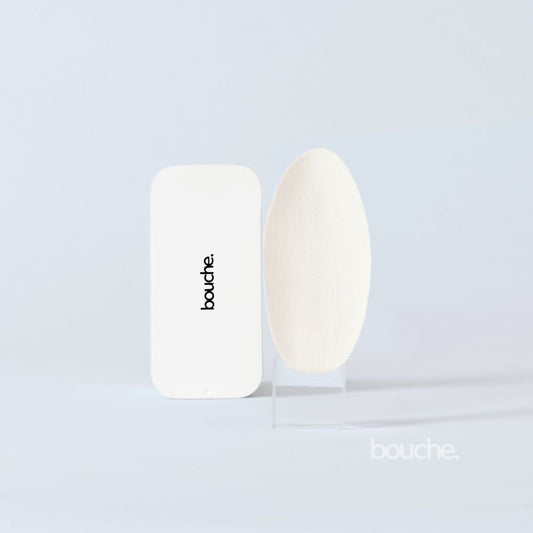
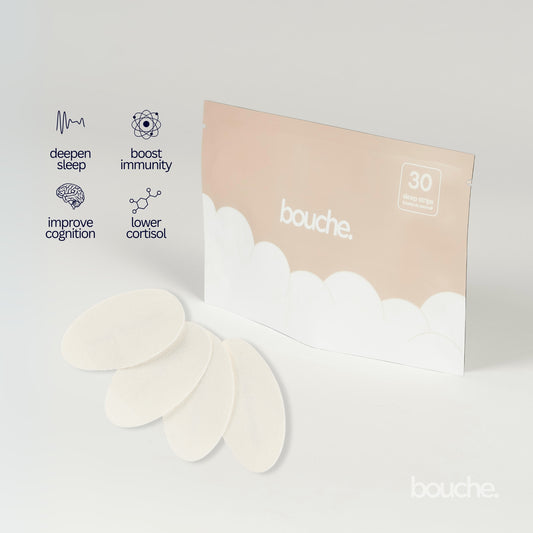
- Save 65%
Hostage Tape
Strong adhesive that stays on, but many users deal with skin irritation and sticky black residue. Removal can be rough on facial hair. Read our Hostage Tape vs Bouche comparison.
Myotape
Uses an elastic band around the mouth instead of tape over the lips. Less restrictive feeling, but it can shift during sleep and is not CPAP compatible. See our Bouche vs Myotape breakdown.
The Skinny Confidential Mouth Tape
Popular on social media, but uses a standard adhesive that can cause irritation with nightly use. Not designed for sensitive skin or CPAP users. Here is our Skinny Confidential vs Bouche review.
Noctivio
Budget-friendly silicone tape that is gentle on skin but tends to loosen or fall off overnight, especially with moisturizer. Fine for testing mouth taping, but not a long-term pick. Read our full Noctivio review.
We also have detailed comparisons for Bouche vs Mintier, Bouche vs ZZZTape, and medical tape vs premium mouth tape.
Side Effects and Risks
Mouth taping is low-risk for most healthy adults, but worth knowing about upfront. Possible side effects include skin irritation or redness from adhesive, lip soreness, discomfort during removal for people with facial hair, breathing difficulty if your nose gets blocked overnight, disrupted sleep during the first few nights, and anxiety about the restricted feeling.
Most of these are mild and fade within a week. Using hypoallergenic tape and starting with short sessions helps. If anything feels wrong, stop and talk to your doctor. Read our full safety guide for more.
Who Should Not Use Mouth Tape
Skip mouth taping or check with your doctor first if you have untreated obstructive sleep apnea, chronic nasal congestion or a deviated septum, asthma or COPD, adhesive allergies, pregnancy-related congestion, risk of vomiting during sleep, or are considering this for a child. If you snore heavily or suspect
sleep apnea, get a proper diagnosis first. Mouth tape is not a replacement for medical treatment.
How to Use Mouth Tape Safely
For the full walkthrough, see our step-by-step safety guide. Here is the short version:
1. Confirm you can breathe comfortably through your nose with your mouth closed.
2. Wash and dry your face. Apply lip balm around (not on) your lips.
3. Place the tape gently over closed lips. Do not stretch it.
4. Start with daytime naps or a few hours while awake to build comfort.
5. Build up to 2-3 nights per week, then increase gradually.
6. Remove slowly in the morning, pulling parallel to the skin.
How to Prevent Irritation
Rotate tape placement slightly each night. Let skincare absorb before taping. Never stretch the tape during application. In the morning, pull slowly and parallel to your skin. If you notice redness or peeling, stop and apply a ceramide moisturizer. For more tips, read about common mouth taping mistakes.
Mouth Tape for Snoring: Does It Work?
Yes, for many people. Snoring happens when soft tissues in your throat vibrate during mouth breathing. Nasal breathing holds the airway more stable, reducing that vibration. The 2015 Huang & Young study showed roughly 50% reduction in snoring severity, and a 2022 study (Lee et al.) found improved oxygen levels during sleep with mouth taping.
For best results, pair mouth tape with nasal strips to open your passages further. That is exactly what our Breathe Better Kit does. If snoring is loud, frequent, or involves gasping, see a doctor first, as those are sleep apnea warning signs.
Mouth Tape for CPAP Users
If your CPAP leaks air because your mouth opens during sleep, mouth tape for CPAP can fix that. Bouche is designed to hold through CPAP air pressure without shifting, keeping your therapy effective and your mouth from drying out. Learn more in our CPAP and mouth tape guide. Always check with your sleep specialist before adding tape to your setup.
Not Ready for Mouth Tape? Try These First
Sleep on your side. Back sleeping worsens snoring for most people. Read about how sleep position affects snoring.
Use nasal strips. They lift your nasal passages open for easier breathing. See our nasal strips vs mouth tape comparison.
Treat congestion. Allergies, colds, and sinus issues need to be addressed first. Here is our guide for allergy season breathing.
Try a chin strap. Different approach, similar goal. See chin straps vs mouth tape.
See a doctor. If snoring is severe or you feel exhausted despite sleeping enough, get checked for sleep apnea.
Test Before You Commit
Do a patch test first, especially if you have reactive skin. Place a small piece of tape on your inner forearm for 24 hours. If no reaction, try a daytime nap with it on your lips. Then ease into 2-3 nights per week and build from there.
Why Bouche Works for Sensitive Sleepers
If skin irritation has held you back from mouth taping, Bouche was made for you. Medical-grade, hypoallergenic adhesive. BPA-free, latex-free, fragrance-free. Lip-shaped for full coverage. Holds through skincare and CPAP. Works with beards. Zero residue. Made in North America. For complete nighttime breathing support, our Breathe Better Kit pairs mouth tape with nasal strips.
"I created Bouche because every mouth tape I tried left residue or irritated my skin. I spent six months designing something that actually works for everyone." - Anabella Lamarche, Founder
Frequently Asked Questions
Q: What is mouth taping?
Mouth taping means placing a gentle, porous strip over your lips before sleep to encourage nasal breathing. It can reduce snoring, prevent dry mouth, and improve sleep quality. Always use tape designed for skin.
Q: Does mouth taping actually work?
A 2015 study found that a porous oral patch shifted all participants to nasal breathing and cut snoring severity roughly in half in people with mild sleep apnea. Many users also report less dry mouth and better energy.
Q: Is mouth taping safe?
For most healthy adults who breathe freely through their nose, yes. Use medical-grade tape, do a patch test first, and avoid it if you have untreated sleep apnea, chronic congestion, or respiratory conditions.
Q: What are the side effects?
Possible side effects include skin redness, lip soreness, breathing difficulty if your nose gets blocked, disrupted sleep during adjustment, and anxiety about the restricted feeling. These are usually mild and temporary.
Q: Who should not use mouth tape?
People with untreated sleep apnea, chronic nasal blockage, asthma/COPD, adhesive allergies, or risk of vomiting during sleep. Children should not use it without a doctor's guidance.
Q: Can I use regular tape?
No. Household tape, masking tape, and duct tape are not safe for overnight facial use. Always use porous, medical-grade tape designed for skin.
Q: Can mouth tape help with snoring?
Yes. By encouraging nasal breathing, mouth tape keeps throat tissues more stable and reduces vibration. Research shows roughly 50% reduction in snoring severity for mouth-breathers with mild sleep apnea.
Q: Does mouth tape work with CPAP?
Yes. Mouth tape helps seal air leaks for CPAP users wearing nasal masks or pillows. Bouche is specifically designed to be CPAP compatible. Check with your sleep specialist first.
Q: Does mouth taping improve your jawline?
No scientific evidence supports this. Jawline appearance is determined by genetics, body composition, and age. Mouth taping helps with snoring and dry mouth, not facial structure.
Q: How long until it works?
Many people notice less dry mouth and reduced snoring from the first night. Building a consistent nasal breathing habit takes 1-2 weeks. Start with 2-3 nights per week.
Q: What are alternatives to mouth taping?
Side sleeping, nasal strips, treating allergies, chin straps, dental appliances, and maintaining a healthy weight. If snoring is severe or linked to sleep apnea, see a doctor.
Q: How do I remove mouth tape without irritation?
Pull slowly, parallel to your skin. A small amount of oil or moisturizer loosens stubborn adhesive. Never pull straight up.
Q: Does Joe Rogan actually use mouth tape?
Yes. Joe Rogan has discussed mouth taping on his podcast multiple times after reading James Nestor's book "Breath." He uses mouth tape to improve sleep quality and encourage nasal breathing at night.
Q: Do dentists recommend mouth taping?
Many dentists recognize the benefits of nasal breathing for oral health. Mouth breathing causes dry mouth, which increases the risk of cavities, gum disease, and bad breath. By promoting nasal breathing, mouth tape helps maintain a healthier oral environment.
Q: What are the downsides of using mouth tape?
The main downsides include discomfort for those with nasal congestion, potential skin irritation from adhesives, and an adjustment period for first-time users. Choosing hypoallergenic tape and starting with short daytime sessions minimizes these issues.
Q: Is mouth tape better with or without a hole?
Both designs work. Tape without a hole provides a complete seal for maximum benefit. Tape with a hole offers a middle ground for beginners who feel anxious about having their mouth fully sealed. Many users start with a hole and transition to full coverage over time.
Q: Does taping your mouth at night give you a better jawline?
Mouth taping may contribute to improved facial appearance over time by encouraging proper tongue posture and jaw alignment. Some users report a more defined jawline and reduced puffiness, though results vary, and mouth tape alone won't dramatically reshape your face.
Q: Can you still snore if your mouth is taped shut?
Yes, though most people experience a significant reduction. Snoring can also originate from the nasal passages or deeper in the throat. If snoring persists, pairing mouth tape with nasal strips or consulting a healthcare provider can help identify underlying causes.
References
1. Huang, T.-W., & Young, T.-H. (2015). Otolaryngology Head and Neck Surgery, 152(2), 369-373. PubMed
2. Lee, Y.-C., et al. (2022). Journal of Clinical Sleep Medicine. PubMed
3. Sano, M., et al. (2013). Neuroreport, 24(17), 935-940. PubMed
0 comments